
A sparkling clean pool is not only inviting but also essential for maintaining a safe and enjoyable swimming environment. However, achieving that pristine condition requires more than just skimming leaves off the surface.
To help you keep your pool in top shape, we’ve compiled the ultimate guide on pool cleaning, featuring expert tips from professionals in the field.
Understanding Pool Cleaning
Maintaining a pristine pool involves a comprehensive approach encompassing various tasks to keep your pool water clean, balanced, and circulating optimally. This multifaceted process not only removes debris but also ensures chemical equilibrium and proper water flow.
By adhering to a structured cleaning regimen, you can effectively thwart algae growth, preserve water clarity, and extend the longevity of your pool equipment.
Essential Pool Cleaning Tools
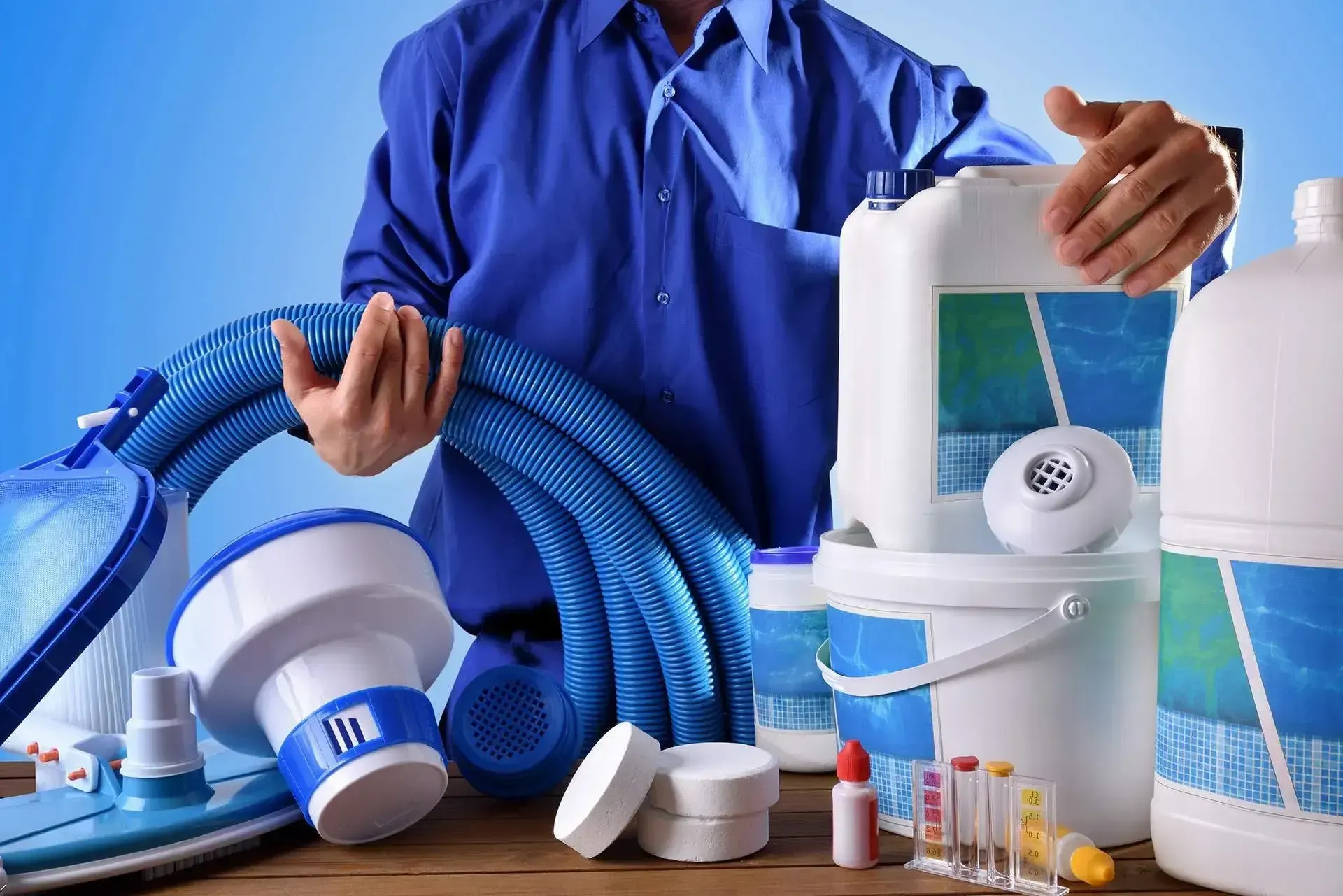
Pool cleaning requires equipping yourself with the right arsenal of tools. Essential items include a telescopic pole with versatile attachments such as a skimmer net, brush, and vacuum head, along with a dedicated pool brush, leaf rake, and a reliable water testing kit.
Investing in high-quality tools is paramount, as they streamline the cleaning process and deliver superior outcomes, ensuring your pool remains a pristine oasis for relaxation and enjoyment.
Weekly Maintenance Tasks
Consistent maintenance is key to keeping your pool clean and inviting throughout the swimming season. Here are some weekly tasks recommended by pool cleaning professionals:
1.Skim the Surface
Use a skimmer net to remove leaves, insects, and other debris floating on the pool’s surface. This prevents clogged filters and maintains water clarity.
2.Brush the Walls and Floor
Use a pool brush to scrub the walls and floor of your pool to loosen algae and debris. Pay special attention to areas with poor circulation or where algae tends to accumulate.
3.Vacuum the Pool
Use a pool vacuum to remove dirt, sand, and other particles that have settled on the pool floor. Vacuuming should be done systematically to cover the entire pool surface.
4.Check and Clean Filters
Regularly inspect and clean your pool filters to ensure optimal filtration. Depending on the type of filter (cartridge, sand, or DE), cleaning frequency may vary.
5.Test and Balance Chemicals
Use a water testing kit to check the pH, chlorine, alkalinity, and calcium hardness levels in your pool water. Adjust chemicals as needed to maintain proper balance and prevent issues like algae growth or skin irritation.
Monthly and Seasonal Maintenance
In addition to weekly tasks, certain maintenance tasks should be performed monthly or seasonally to keep your pool in optimal condition:
1.Shock the Pool
Shocking your pool helps eliminate organic contaminants and restore chlorine levels. It’s recommended to shock your pool regularly, especially after heavy usage or rainfall.
2.Clean Pool Accessories
Periodically clean pool accessories such as ladders, skimmer baskets, and pool toys to prevent bacterial growth and maintain hygiene.
3.Inspect and Maintain Equipment
Check your pool pump, filter, and other equipment for signs of wear or damage. Perform routine maintenance tasks such as lubricating O-rings, backwashing filters, and inspecting seals.
4.Winterize Your Pool
If you live in a region with cold winters, proper winterization is crucial to protect your pool from freeze damage. This includes lowering the water level, draining equipment, and adding winterizing chemicals.
Professional Pool Cleaning Services
While regular maintenance is essential, sometimes it’s beneficial to enlist the help of professional pool cleaners. Professional cleaners have the expertise, experience, and specialized equipment to tackle tough cleaning tasks and ensure your pool remains in top condition. Consider scheduling periodic professional cleanings to complement your regular maintenance routine and address any specific issues.
Conclusion
Maintaining a clean and healthy pool requires diligence, consistency, and the right tools and knowledge. By following the tips outlined in this ultimate guide, you can effectively clean and maintain your pool, ensuring it remains a refreshing oasis for you and your family to enjoy. Remember, a clean pool not only enhances your swimming experience but also contributes to the overall longevity and value of your pool investment.
Transform Your Pool Experience with Aqua Clear Pool Services
Ready to implement the expert tips from our ultimate guide on pool cleaning? Aqua Clear Pool Services is your trusted partner for all your swimming pool needs in Lakeside and surrounding areas such as Alpine, La Mesa, El Cajon, Santee, La Jolla, Pacific Beach, Poway, San Diego, and Yuma.
Whether you have a swimming pool, hot tub, above-ground pool, or in-ground pool, our dedicated team is here to support you. Experience our unparalleled pool services, including comprehensive pool cleaning, new equipment installation, residential pool services, or commercial pool maintenance.
As your reliable swimming pool contractor, we are committed to delivering top-notch solutions tailored to your unique requirements. Transform your pool experience with Aqua Clear Pool Services – where -expertise meets excellence!
Ready to dive in? Contact us today to elevate your pool care routine and enjoy a sparkling clean pool all season long!
FAQs - The Ultimate Guide on How to Clean a Pool
1. How often should I clean my pool?
The frequency of pool maintenance depends on factors such as usage, weather conditions, and the presence of debris. Generally, it's recommended to clean your pool at least once a week to maintain optimal cleanliness and water balance.
2. What are the essential tools needed for pool cleaning?
Essential tools for pool maintenance include a telescopic pole with interchangeable attachments (skimmer net, brush, vacuum head), a pool brush, leaf rake, water testing kit, and possibly a pool vacuum or automatic cleaner for more thorough cleaning.
3. How do I test and maintain the chemical balance of my pool water?
Use a water testing kit to regularly check your pool water's pH, chlorine levels, alkalinity, and calcium hardness. Adjust these levels as needed to ensure proper chemical balance, which helps prevent algae growth and maintain water clarity. For professional assistance with pool repair and maintenance, call today.
4. What steps can I take to prevent algae growth in my pool?
To prevent algae growth, ensure proper circulation and filtration of pool water, maintain balanced chemical levels, regularly brush and vacuum the pool surfaces, and shock the pool periodically to kill algae spores.
5. How do I clean pool filters, and how often should it be done?
Pool filters should be cleaned regularly to ensure optimal filtration efficiency. The frequency of filter cleaning depends on the type of filter and usage. Generally, it's recommended to clean cartridge filters every 4-6 weeks, sand filters every 6-8 weeks, and DE filters every 1-2 months
6. What should I do if my pool water becomes cloudy or green?
Cloudy or green pool water is often a sign of imbalanced chemistry or inadequate filtration. Test the water chemistry and adjust chemical levels accordingly. Increase filtration and consider using a clarifier or algaecide to help clear the water.
7. How can I prevent debris from entering my pool?
To prevent debris from entering your pool, use a pool cover when the pool is not in use, regularly skim the surface with a skimmer net, and trim back nearby trees and bushes to minimize falling leaves and debris.
8. Can I clean my pool myself, or should I hire a professional?
While pool cleaning can be done DIY, some pool owners prefer to hire professionals for thorough cleanings or maintenance tasks. Consider your comfort level, time availability, and expertise when deciding whether to clean the pool yourself or hire a professional pool company for swimming pool service. For expert assistance with custom pools or filter cleaning, call today.