
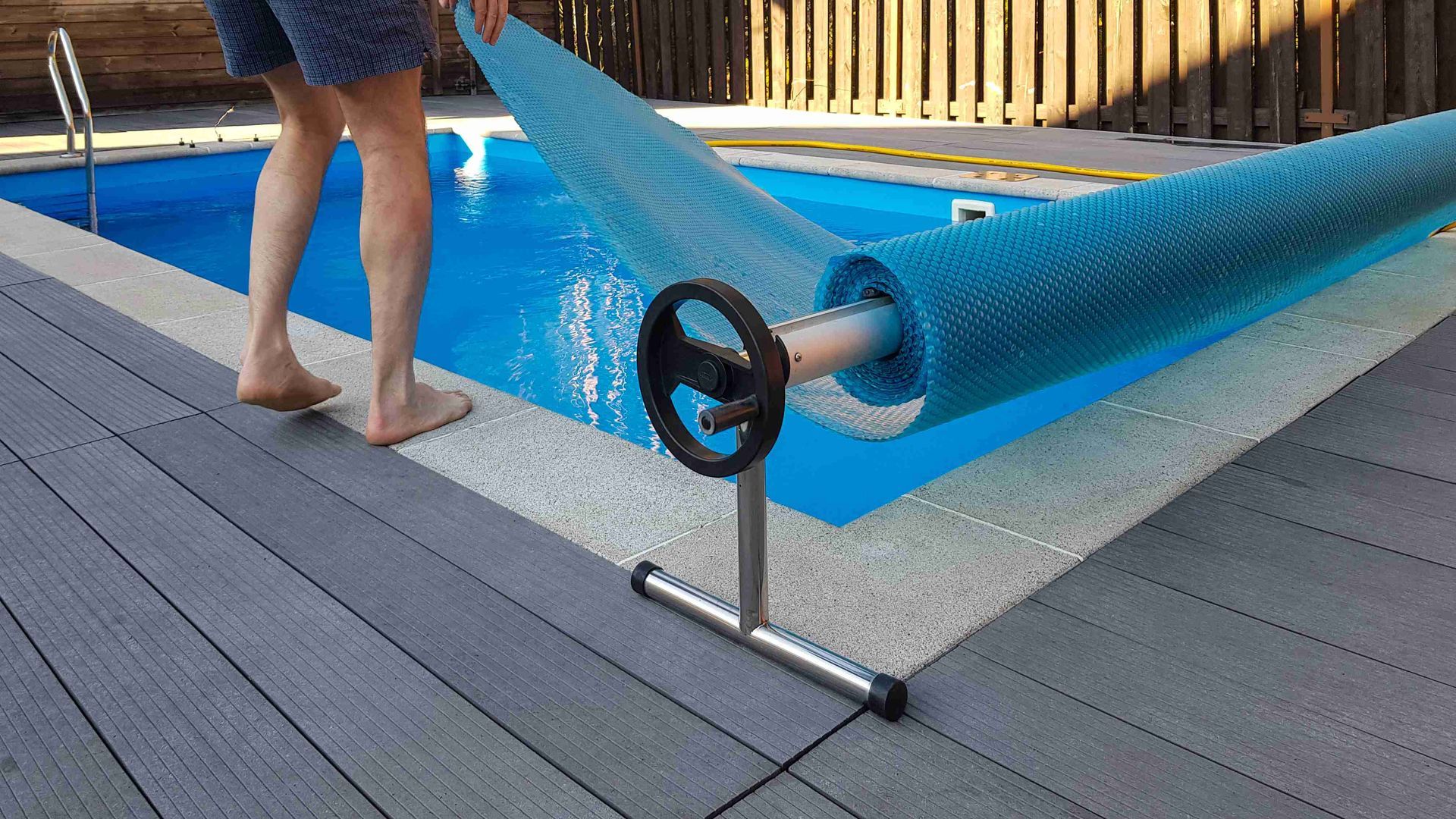
As the seasons shift and temperatures begin to drop, it’s time to focus on winter pool maintenance. Taking the right steps now can save you from costly repairs and ensure a smooth reopening in the spring. Let’s break down everything you need to know to winterize your pool effectively.
Start with a Thorough Cleaning
Before anything else, cleaning your pool is critical. Debris like leaves, dirt, and insects can cause stains or clog your system if left unattended.
- Skim the Surface: Use a skimmer net to remove all visible debris.
- Brush and Vacuum: Scrub the pool walls and floor to remove algae or dirt buildup. Follow this by vacuuming thoroughly.
- Clean the Filter: Whether you have a sand, cartridge, or DE filter, clean it according to the manufacturer’s recommendations to ensure maximum efficiency.
Cleaning your pool at this stage is also a great time to inspect for minor damage. Look for cracks, chips, or worn-out areas that might worsen over the winter. Addressing these small issues now will prevent them from becoming expensive problems later
Balance the Water Chemistry
Properly balanced water chemistry is one of the most important steps in seasonal pool maintenance. This helps prevent corrosion, algae growth, and scaling during the winter months.
- Test the Water: Use a pool testing kit to check pH, alkalinity, and calcium hardness levels. Water testing kits are available at most pool supply stores and are relatively easy to use.
- Adjust pH Levels: Keep the pH between 7.2 and 7.6. A balanced pH level protects your pool’s surfaces and equipment from damage caused by overly acidic or basic water.
- Add Algaecide: Adding algaecide helps prevent algae growth, even during dormant months. This step is crucial if your area experiences frequent rainfall or high humidity during winter.
- Shock the Pool: Use a chlorine-based pool shock to eliminate any lingering bacteria. Shocking the pool ensures the water is clean and safe before closing it for the season.
Balancing the water also reduces the likelihood of unsightly waterline marks and residue, keeping your pool looking pristine and ready for use when spring arrives.
Lower the Water Level
Draining a portion of your pool’s water is another key step in pool closing tips. However, the amount you lower depends on your pool type and the type of winter cover you’re using.
- In-Ground Pools: Lower the water level just below the skimmer or tile line. This prevents damage to the skimmer caused by freezing water.
- Above-Ground Pools: If you’re using a winter cover, you may not need to lower the water level significantly. Consult your pool’s manual for specific guidance, as different models have varying requirements.
Remember to drain water from all plumbing lines as well. Leaving water in the pipes can lead to freezing and cracks, resulting in costly repairs.
Protect Your Equipment
Pool equipment like pumps, heaters, and filters are vulnerable to freezing temperatures. Properly winterizing these components can save you from expensive replacements.
- Drain All Water: Completely drain the pump, filter, heater, and chlorinator to prevent freezing damage. Use a wet/dry vacuum if necessary to ensure all water is removed from the system.
- Remove and Store Accessories: Detach ladders, skimmers, and other removable items. Store them in a dry place to protect them from the elements and extend their lifespan.
- Turn Off the Power: Disconnect power supplies to the pump and other equipment. This step ensures safety and reduces the risk of electrical issues during the off-season.
Additionally, inspect all equipment for wear and tear. Replace any worn-out parts, such as o-rings or seals, to avoid unexpected issues when reopening your pool.
Add a Winter Cover
Using a high-quality winter pool cover is one of the simplest yet most effective ways to protect your pool during colder months. It keeps debris out and minimizes evaporation.
- Ensure a Tight Fit: Check for gaps or loose areas to prevent debris from entering. A poorly fitted cover can allow leaves and dirt to accumulate, making spring cleaning more difficult.
- Use Cover Weights or Clips: Secure the cover with appropriate fasteners to withstand strong winds. Water bags, clips, or specialized weights can provide extra stability.
- Inspect Periodically: Throughout the winter, remove snow or water buildup from the cover to avoid tears. Heavy snow can strain the cover and cause it to sag, potentially damaging the pool.
Winter covers also help retain any chemical treatments applied before closing, ensuring your water remains balanced for longer.
Address Pool Plumbing
Pool plumbing requires special attention during winterization to avoid freeze damage. Even small amounts of residual water can expand and crack pipes when frozen.
- Blow Out the Lines: Use an air compressor or shop vac to blow water out of the plumbing lines. Start with the return lines, then move on to the skimmer and main drain lines.
- Use Pool Antifreeze: Add non-toxic pool antifreeze to the lines for extra protection against freezing. Make sure to follow the manufacturer’s instructions for proper use.
- Seal Openings: Use plugs to seal off all pipe openings, preventing water from re-entering the system.
Properly addressing plumbing needs ensures your pool remains in excellent condition throughout the winter.
Consider Professional Help
While some steps in winter pool maintenance are manageable on your own, certain tasks may benefit from professional expertise. For example, pool plumbing systems often require antifreeze or air pressure to prevent freezing. Hiring professionals ensures these steps are handled correctly.
At Aqua Clear Pool Services, LLC., we specialize in helping pool owners navigate seasonal transitions with ease. Whether you need help balancing water chemistry or winterizing equipment, we’re here to ensure your pool remains in top condition year-round.
Off-Season Pool Maintenance Tips
Even during the winter, your pool may require periodic attention to ensure everything remains in good shape. Here are a few tips:
- Check the Cover: Inspect the cover for damage or debris buildup every few weeks.
- Monitor Water Levels: Keep an eye on the water level to ensure it doesn’t rise too high and compromise the cover.
- Test the Water: If possible, test the water chemistry occasionally to ensure it remains balanced.
These small steps can make a big difference when it’s time to reopen your pool in the spring.
Benefits of Proper Winterization
Investing time and effort into seasonal pool maintenance offers several advantages:
- Prevents Damage: Protects your pool and equipment from freezing temperatures.
- Saves Money: Avoid costly repairs and replacements in the spring.
- Eases Reopening: A well-winterized pool is easier to open and clean once warmer weather returns.
- Extends Lifespan: Regular maintenance enhances the longevity of your pool and its components.
By following these steps, you’ll protect your investment and enjoy peace of mind knowing your pool is prepared for whatever winter has in store.