
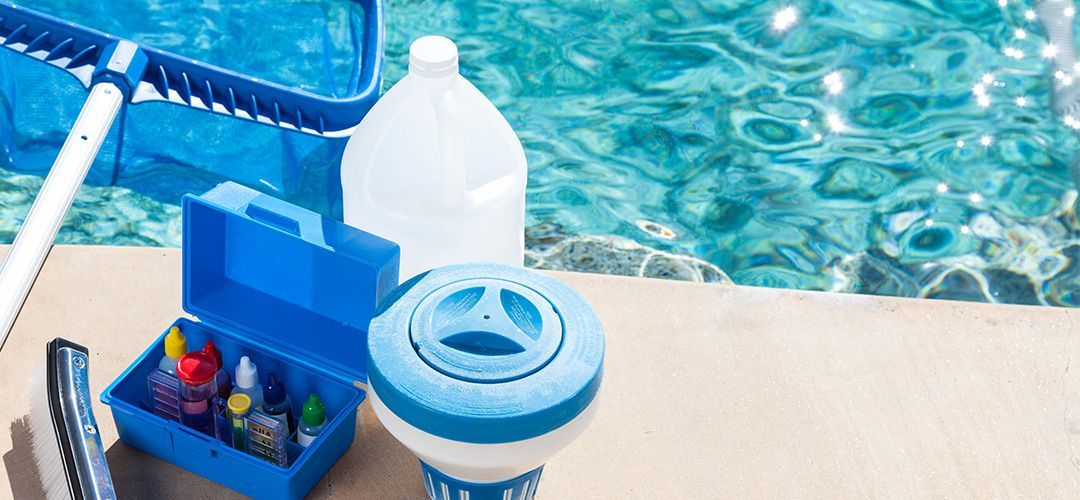
The way pool equipment efficiency is managed directly affects pool water quality and long-term pool maintenance. A well-installed system ensures proper filtration, effective chemical distribution, and reduced algae buildup. Without the right setup, pool owners may face cloudy water, unbalanced chemicals, and frequent maintenance headaches.
By understanding how equipment like pumps, filters, and chlorinators work together, we can maximize performance and extend the lifespan of pool components. Let’s explore the connection between pool equipment efficiency, pool water quality, and overall pool maintenance—and how proper installation plays a crucial role.
Why Pool Equipment Efficiency Matters for Pool Water Quality
Every component of a pool’s circulation system contributes to pool water quality. When equipment is installed correctly, it creates a smooth, automated process for keeping water clean and clear. However, improper installation can lead to uneven chemical distribution, poor filtration, and water stagnation.
Key benefits of optimizing pool equipment efficiency include:
- Better water circulation – Ensures even distribution of sanitizers and prevents debris buildup.
- Improved filtration – Captures contaminants efficiently, reducing the risk of cloudy or unclean water.
- Balanced chemical levels – Prevents overuse or underuse of chlorine, minimizing irritation and algae growth.
- Energy efficiency – Reduces operational costs by optimizing pump and filter performance.
When installing new equipment, it’s essential to ensure compatibility between components. A mismatched pump and filter, for example, can result in insufficient filtration, making pool maintenance more difficult
The Role of Pumps in Pool Water Quality and Maintenance
The pump is the heart of the circulation system, pushing water through the filter, heater, and sanitizing system. A properly installed pump contributes significantly to pool water quality by ensuring continuous movement, preventing stagnation, and reducing the risk of bacteria buildup.
Choosing the Right Pump for Maximum Pool Equipment Efficiency
Selecting the correct pump size and type is crucial. Factors to consider include:
- Pool size – Larger pools require more powerful pumps.
- Flow rate – Must match the filter’s capacity for optimal performance.
- Energy efficiency – Variable-speed pumps offer better energy savings and longevity.
- Without the right pump, water circulation suffers, leading to uneven chemical distribution and increased debris accumulation. Over time, this can result in higher pool maintenance costs and more frequent cleanings.
Filters: The Key to Consistently Clean Pool Water
The filter removes dirt, debris, and microscopic contaminants, making it one of the most critical components for pool water quality. Poor installation can reduce filtration efficiency, allowing particles to recirculate and cloud the water.
Types of Pool Filters and Their Maintenance Needs
- Sand Filters – Trap particles as water flows through a sand bed. Require backwashing to maintain performance.
- Cartridge Filters – Use a replaceable cartridge to capture debris. Offer superior filtration with less maintenance.
- Diatomaceous Earth (DE) Filters – Provide the highest level of filtration but require more frequent upkeep.
To enhance pool equipment efficiency, the filter should be properly sized and installed according to manufacturer recommendations.
misaligned or undersized filter can force the pump to work harder, increasing energy consumption and pool maintenance demands.
The Importance of Proper Chlorinator Installation for Pool Water Quality
A well-installed chlorinator ensures that chlorine levels remain stable, preventing algae growth and bacterial contamination. If positioned incorrectly, chlorine distribution may be uneven, leading to areas with high chlorine concentrations and others with insufficient sanitization.
Optimizing Chlorinator Placement and Functionality
- Install after the filter – Ensures clean water passes through before chlorination.
- Adjust output settings – Prevents excessive chlorine levels that can cause irritation.
- Regular maintenance – Keeps chlorine flow consistent and prevents clogging.
With a correctly installed chlorinator, we can maintain ideal chemical balance effortlessly, reducing the need for excessive manual adjustments and improving overall pool maintenance efficiency.
Heating Systems and Their Impact on Pool Maintenance
While heaters do not directly affect pool water quality, they influence pool equipment efficiency by maintaining consistent water temperatures. However, an improperly installed heater can lead to:
- Inefficient energy use – Increasing operational costs.
- Calcium buildup – Affecting water flow and heat transfer.
- Unstable water chemistry – Requiring frequent chemical adjustments.
A professional installation ensures that the heater integrates seamlessly with the circulation system, minimizing maintenance while keeping the pool comfortable year-round.
Common Installation Mistakes That Affect Pool Equipment Efficiency
Even high-quality equipment can underperform if installed incorrectly. Some of the most common mistakes that lead to poor pool water quality and increased pool maintenance include:
- Incorrect pump and filter sizing – Reduces filtration efficiency.
- Poor pipe alignment – Leads to restricted water flow and higher energy use.
- Improper chlorinator placement – Causes uneven chlorine distribution.
- Leaky connections – Waste water and reduce system pressure.
A professional installation ensures that all components function optimally, reducing long-term maintenance needs and extending the lifespan of your pool equipment.
How Professional Installation Enhances Pool Water Quality and Maintenance
While DIY installation may seem cost-effective, professional setup ensures pool equipment efficiency from the start. Expert installers understand the best placement and sizing for each component, preventing common issues that lead to increased pool maintenance.
Benefits of Professional Pool Equipment Installation
- Proper system calibration – Ensures equipment operates at peak efficiency.
- Leak prevention – Avoids costly repairs due to poorly connected pipes.
- Extended equipment lifespan – Reduces wear and tear on pumps and filters.
- Optimized water quality – Minimizes chemical fluctuations and improves clarity.
For the best results, we recommend working with experienced professionals like Aqua Clear Pool Services, LLC. Our team specializes in precision installation, helping you maintain crystal-clear water with minimal effort.
Conclusion: Enhancing Pool Water Quality Through Smart Equipment Installation
The quality of pool equipment installation directly impacts pool water quality and overall pool maintenance. A properly installed system improves water circulation, ensures efficient filtration, and maintains chemical balance, reducing the time and effort required for upkeep.
By investing in professional installation and regular maintenance, pool owners can enjoy a cleaner, healthier swimming environment with fewer disruptions. At Aqua Clear Pool Services, LLC, we specialize in optimizing pool equipment efficiency for long-term performance.
For expert pool equipment installation and maintenance, you can also email us at info@aquaclearpoolservices.com to schedule a consultation.
Frequently Asked Questions
1. What Are the Most Common Pool Repair Services I Might Need?
When maintaining a pool, some of the most common pool repair services include equipment repair, leak detection, resurfacing, liner replacement, and pool cover maintenance. These services ensure the longevity of your pool, maintain its safety, and improve its overall functionality. Regular maintenance can prevent minor issues from turning into costly repairs.
2. How Do I Know If I Need Pool Repair Experts?
If you notice a decrease in water quality, strange noises from equipment, or unexplained water loss, it's time to consult pool repair experts. These professionals can diagnose issues such as leaks, damaged equipment, or worn-out liners, and provide solutions to ensure your pool remains in top condition
3. What Services Are Included in Professional Pool Services?
Professional pool services typically include pool cleaning, equipment repair, leak detection, resurfacing, liner replacement, and pool cover maintenance. Experts in the field will also offer regular inspections to catch any potential issues early, ensuring your pool remains safe and enjoyable year-round.
4. Can I Handle Pool Repairs on My Own, or Should I Hire a Professional?
While some minor repairs may be manageable for homeowners, hiring pool repair experts is recommended for more complex issues such as equipment repair, leak detection, and resurfacing. Professionals have the right tools, expertise, and experience to fix issues efficiently, preventing further damage and ensuring safety
5. Why Is Pool Equipment Repair Important for Maintaining Pool Safety?
Proper pool equipment repair is essential for maintaining safe water circulation, heating, and filtration. Malfunctioning equipment can lead to water contamination, unbalanced chemicals, or inefficient heating, which may cause unsafe conditions in your pool. Regular equipment maintenance helps avoid these risks and ensures your pool stays safe for swimmers.