
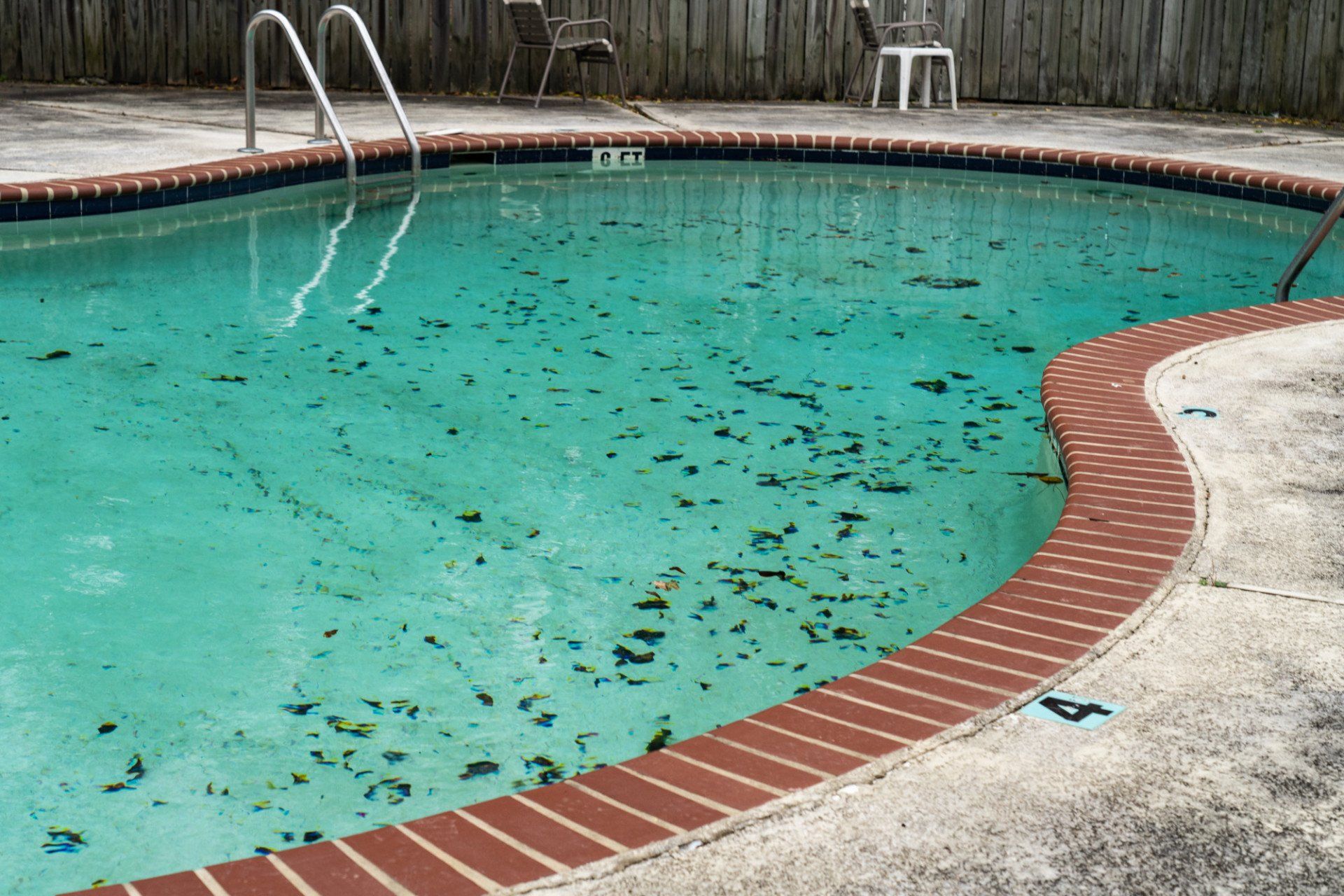
Do you see stubborn dark spots in your pool that refuse to go away even after a thorough cleaning? These could be signs of black algae, a common yet pesky problem many pool owners face. Unlike other forms of algae that are relatively easy to eliminate, black algae are notorious for their resilience and difficulty to remove. This comprehensive guide by Aqua Clear Pool Services, LLC, will walk you through the process of identifying, eradicating, and preventing black algae in your pool, ensuring a clean, safe, and inviting swimming environment
Understanding Black Algae
What is Black Algae? Black algae, scientifically known as Cyanobacteria, are not true algae but a type of bacteria that photosynthesize. They are characterized by their dark green or black color and a protective layer that makes them resistant to standard pool treatments. Black algae root deeply into concrete or plaster surfaces, forming a stronghold that is challenging to dislodge.
Why is it a Problem? Apart from being unsightly, black algae can create slippery and unsafe conditions in your pool. Its deep roots can also cause structural damage to the plaster or concrete if left untreated, leading to costly repairs.
Identifying Black Algae in Your Pool
Signs of Infestation:
- Dark Spots: Look for dark blue, green, or black spots that adhere strongly to the pool’s surfaces, particularly in corners, behind ladders, or other areas with poor circulation.
- Texture: These spots may feel slimy or gritty under the touch, indicating a deep-set growth.
- Resistance: Unlike other algae, black algae will not disappear after basic chlorine treatment or brushing.
Common Areas for Growth:
- Shaded Areas: Black algae prefer shaded areas where they are less likely to be disturbed by swimmers or cleaning equipment.
- Cracks and Crevices: Any small crack or crevice in your pool’s surfaces can harbor black algae, providing them with a perfect breeding ground.
Causes of Black Algae Growth
To effectively combat black algae, it’s important to understand what encourages its growth:
- Poor Water Circulation: Areas with stagnant water are ideal for black algae since there is less chemical and physical disturbance.
- Inadequate Pool Maintenance: Infrequent cleaning and chemical treatments make your pool a haven for algae.
- Chemical Imbalance: Incorrect pH, low chlorine levels, and imbalanced alkalinity can diminish the effectiveness of your pool’s defense against algae.
- Environmental Factors: Debris such as leaves, dirt, and even swimmer waste can provide nutrients that promote algae growth.
Step-by-Step Guide to Removing Black Algae
1. Test and Balance Pool Water Begin by testing your pool water and adjusting the chemicals to achieve the ideal pH and alkalinity levels. This step ensures that the treatments used are effective.
2. Manual Removal Using a stiff pool brush, scrub the affected areas vigorously. This physical agitation is crucial as it disrupts the protective layer of the black algae, allowing chemicals to penetrate more effectively.
3. Shock Treatment Perform a heavy shock treatment using a high level of chlorine. This step is critical as black algae have high resistance to chlorine compared to other types.
4. Apply Algaecide After shocking the pool, apply a high-quality algaecide that is specifically formulated to combat black algae. Ensure that the product reaches into the roots and crevices where black algae thrive.
5. Filter Maintenance Clean your filter system thoroughly to remove any spores that might have been dislodged during the cleaning process. In severe cases, consider replacing the filter media to prevent reinfestation.
6. Continuous Care For several days post-treatment, continue to brush the pool daily and monitor the chemical levels, applying algaecide as needed until you are sure that all black algae have been eradicated.
Preventative Measures
Maintaining Your Pool:
- Regular Cleaning: Brush and vacuum your pool regularly to prevent algae from taking hold.
- Proper Filtration: Ensure your pool’s filtration system is adequate and running efficiently to keep water clean and well-circulated.
- Chemical Management: Regularly check and adjust your pool’s chemistry to maintain an environment that is hostile to algae growth.
Environmental Controls:
- Reduce Shading: Trim overhanging foliage and reposition pool furniture to minimize shaded areas where algae thrive.
- Control Debris: Use pool covers to keep out debris that can feed algae and disrupt the pool’s chemical balance.
Conclusion
Dealing with black algae can be frustrating, but with the right approach, it’s a manageable problem. Consistency in maintenance and treatment will keep your pool free from black algae and extend its lifespan. Remember, prevention is always better than cure. For professional advice and services, contact Aqua Clear Pool Services, LLC. We offer comprehensive pool solutions in Lakeside, El Cajon, and Santee, CA. Reach us at info@aquaclearpoolservices.com or call (858) 251-4151 for expert assistance
Frequently Asked Questions
1. What causes black algae in pools?
Black algae in pools is typically caused by several factors including poor water circulation, insufficient chlorine levels, and a lack of regular maintenance. Environmental factors like shaded areas and organic debris also contribute to the growth of black algae
2. How can I tell if my pool has black algae?
Black algae appear as dark green or black spots on your pool's surfaces, especially in areas with poor circulation like corners or behind ladders. These spots are usually slimy or gritty to the touch and are highly resistant to regular pool cleaning methods
3. Is black algae harmful to swimmers?
While black algae itself isn't harmful to swimmers, it can create slippery surfaces that may lead to accidents. Moreover, the presence of black algae often indicates other potential imbalances in pool chemistry that could affect water quality
4. What is the best method to remove black algae from my pool?
The best method to remove black algae involves several steps: adjusting your pool chemistry, vigorously brushing the affected areas, applying a strong shock treatment followed by a specific algaecide for black algae, and thoroughly cleaning or replacing the pool filter.
5. How can I prevent black algae from returning to my pool?
Preventing black algae involves maintaining proper pool chemistry, ensuring good water circulation, regular brushing and cleaning, and using algaecide treatments periodically. Also, managing environmental factors like minimizing shaded areas and keeping the pool free from debris can significantly reduce the risk of black algae reappearance