
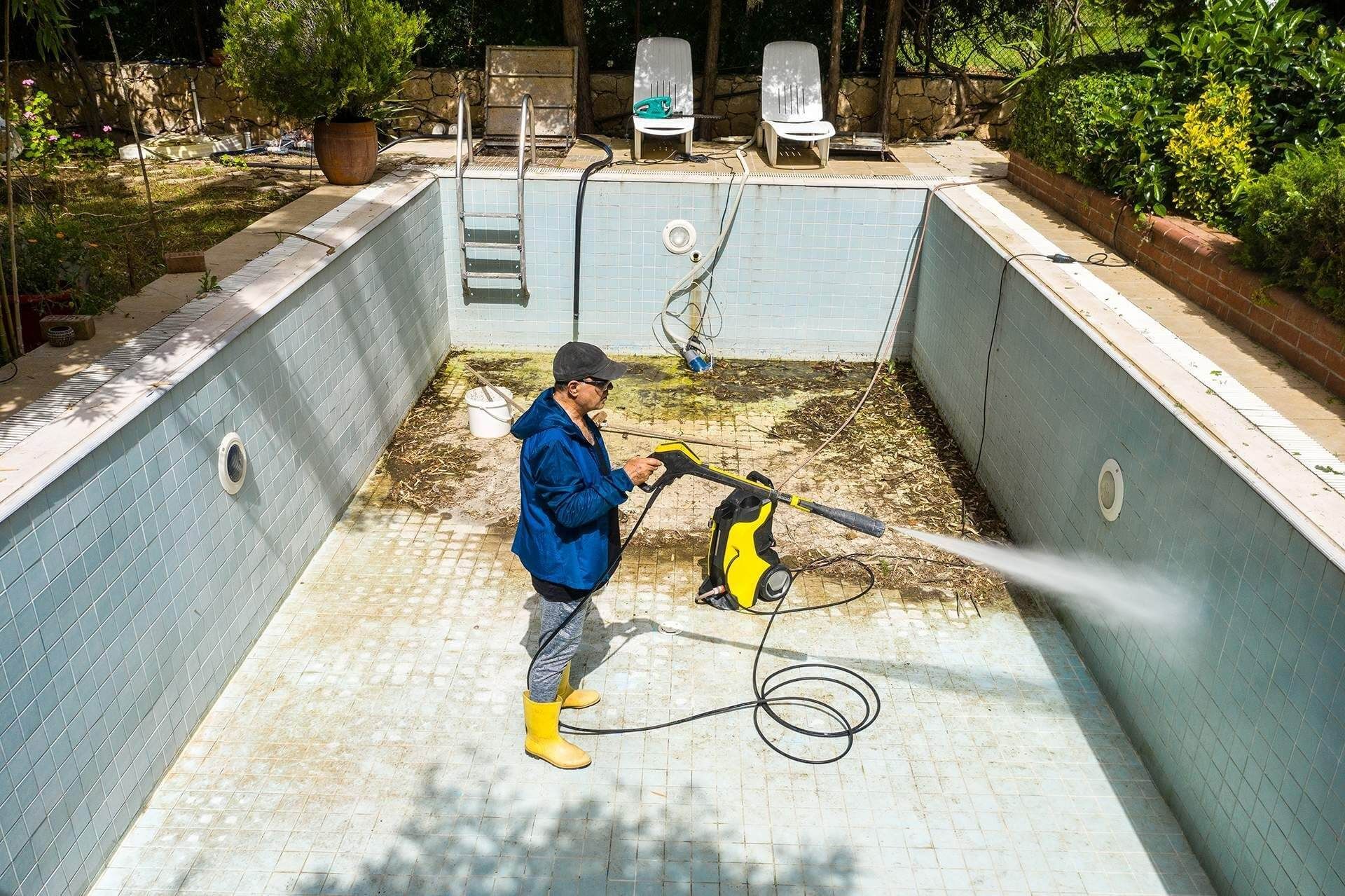
Over time, your once-vibrant swimming pool may lose its charm due to wear, weathering, or changing trends in pool design. Whether you’re looking to restore its former glory or transform it into a modern oasis, a comprehensive pool restoration project can breathe new life into your outdoor space. From assessing the condition to executing upgrades, here’s a detailed guide to help you navigate the process of revitalizing your pool.
Assessing the Current Condition
Assessing the current condition of your pool is the crucial first step in planning a successful restoration project. Begin by conducting a detailed inspection of the pool shell to identify any cracks or structural damage that may have developed over time.
Examine the tiles and coping to pinpoint areas showing signs of wear and discoloration. Evaluate the effectiveness of the filtration system and other pool equipment installations to determine if upgrades are necessary. Check the pool’s plumbing for leaks and ensure optimal functioning of the water circulation and vacuuming systems.
This comprehensive assessment, guided by the expertise of a seasoned swimming pool contractor or reputable pool company with years of experience in swimming pool service, will provide a clear roadmap for addressing repairs and enhancements needed to restore your pool to its pristine condition.
Planning Your Pool Restoration Project
Planning a pool restoration project involves meticulous preparation and strategic decisions to rejuvenate your pool effectively. Whether your goal is to enhance aesthetics, improve functionality, or address structural issues, a well-organized plan is crucial. Here’s a comprehensive guide to help you navigate the planning phase of your pool restoration in San Diego, Lakeside, El Cajon, and neighboring areas.
1. Assessment of Current Pool Condition
Start by conducting a thorough assessment of your pool’s condition, focusing on issues like cracks, worn-out tiles, and outdated equipment. This evaluation will guide the scope of repairs and upgrades needed for your project.
2. Setting Clear Objectives
Define clear objectives for your pool restoration, whether it’s upgrading to energy-efficient equipment, enhancing safety features, or completely transforming the pool’s aesthetics. Clearly outlined goals will streamline decision-making throughout the restoration process.
3. Establishing a Realistic Budget
Create a detailed budget that encompasses materials, labor costs, and potential contingencies. Consider investing in high-quality materials and sustainable solutions to ensure long-term savings on pool maintenance and repairs.
4. Creating a Timeline
Develop a realistic timeline that factors in seasonal considerations and the availability of contractors. Plan for milestones such as draining the pool, completing repairs, and finalizing cosmetic upgrades to achieve a smooth and efficient restoration process.
5. Researching and Selecting Contractors
Research local pool service providers and contractors with expertise in pool repairs and pool equipment installation. Ensure they have a proven track record and are licensed to work in your area. Obtain multiple quotes to compare services and pricing.
6. Choosing Materials and Design Elements
Select durable materials and design elements that align with your aesthetic preferences and functional requirements. Consider options such as custom pools, modern pool designs, efficient filtration systems, and stylish pool lighting to enhance the overall appeal of your outdoor space.
7. Obtaining Necessary Permits
Check local regulations and obtain permits as required for pool renovations and installations. Compliance with building codes ensures a smooth approval process and prevents delays during construction.
8. Communication and Coordination
Maintain open communication with your chosen contractors and suppliers throughout the project. Regular updates and meetings will facilitate collaboration, address any concerns promptly, and keep the restoration on schedule.
9. Preparing for Unforeseen Challenges
Anticipate potential challenges such as weather delays or unexpected repairs. Have contingency plans in place to mitigate risks and maintain progress towards completing your pool restoration project on time.
Essential Steps for Pool Restoration
Restoring a pool to its former glory involves a series of crucial steps aimed at enhancing both aesthetics and functionality. Whether your pool requires minor repairs or a complete overhaul, here are essential steps to guide you through the restoration process:
1. Assessment and Planning
Before diving into restoration work, conduct a thorough assessment of your pool’s current condition. Identify any structural issues, such as cracks in the pool shell or worn-out tiles. Plan your restoration project by setting clear goals and establishing a realistic budget and timeline.
2. Draining and Cleaning
Begin the restoration process by draining the pool completely. This allows for a detailed inspection of the pool shell and equipment. Clean the pool surface meticulously to remove debris, algae, and mineral deposits that have accumulated over time.
3. Repairing Structural Damage
Address any identified cracks or leaks in the pool shell promptly. Depending on the severity of the damage, repair methods may include patching with waterproof sealants, replacing damaged tiles, or resurfacing the entire pool for a fresh appearance and improved durability.
4. Upgrading Pool Equipment
Evaluate the efficiency and condition of existing pool equipment, such as pumps, filters, and heaters. Consider upgrading to energy-efficient models to reduce operational costs and enhance performance. Install automation systems for convenient control over pool operations.
5. Enhancing Aesthetics
- Tile and Coping: Replace outdated or damaged tiles and coping stones to enhance safety and rejuvenate the pool’s appearance.
- Lighting: Install modern LED lighting to illuminate the pool area effectively and create a captivating ambiance.
- Decking: Refinish or upgrade the pool deck with materials that complement the restored pool’s aesthetics and improve durability.
6. Improving Functionality
- Automation Systems: Integrate smart automation systems for seamless control of pool features, including temperature, lighting, and filtration.
- Safety Features: Upgrade safety measures such as pool covers, alarms, or fencing to ensure compliance with current safety standards and provide a secure environment for pool users.
7. Landscaping and Surroundings
Enhance the pool’s surroundings with landscaping elements that complement its new look. Consider adding plants, seating areas, or decorative features to create a cohesive and inviting outdoor space.
8. Regular Maintenance
After completing the restoration project, commit to regular pool maintenance. This includes routine cleaning, water chemistry checks, and inspections of equipment. Promptly address any maintenance issues to preserve the restored pool’s integrity and prolong its lifespan.
Maintaining Your Newly Restored Pool
Maintaining your newly restored pool is crucial to preserving its pristine condition and functionality. Start by scheduling regular pool cleaning services to prevent debris buildup and ensure water clarity. Monitor and balance water chemistry consistently to create a safe swimming environment and protect pool equipment from corrosion.
Regularly inspect and maintain pool equipment such as pumps, filters, and heaters to optimize performance and minimize energy consumption. Keep an eye on the pool structure for signs of wear or leaks, addressing any issues promptly. Adjust maintenance routines seasonally, winterizing the pool in colder months and preparing it for summer use.
Additionally, maintain landscaping around the pool to minimize debris and ensure safety features like pool covers and fencing are in good condition. Consider professional pool maintenance services to conduct thorough inspections, repairs, and preventive maintenance, ensuring your pool remains a source of enjoyment and relaxation for years to come.
Conclusion
Restoring and maintaining a pool requires careful planning, diligent execution, and ongoing maintenance efforts. By following the essential steps outlined in this guide, you can successfully transform your pool into a stunning centerpiece of your outdoor space. Whether you’re focused on enhancing aesthetics, improving functionality, or both, maintaining your pool is crucial to ensuring its longevity and enjoyment.
Regular cleaning, water chemistry balance, equipment inspections, and seasonal maintenance are key aspects of keeping your pool in pristine condition. Additionally, landscaping care and adherence to safety measures contribute to a safe and enjoyable swimming environment.
Enhance Your Pool's Lifespan with Expert Maintenance Services
Ensuring your pool in San Diego County, including Lakeside, El Cajon, Santee, Alpine, La Jolla, La Mesa, Pacific Beach, Poway, and Yuma, stays in top condition is essential for lasting enjoyment. Aqua Clear Pool Services specializes in comprehensive pool service, pool repairs, pool maintenance, and pool equipment installation.
Whether you need routine pool cleaning, filter maintenance, or custom pool designs, our experienced team is dedicated to meeting your needs. We offer expert solutions to keep your pool pristine and functional year-round.
Contact Aqua Clear Pool Services today at (858) 442-4853 to learn more about our tailored pool care services. From basic maintenance to intricate repairs and installations, we’re here to ensure your pool remains a source of relaxation and enjoyment for you and your family. Trust Aqua Clear Pool Services for all your pool service needs in San Diego County!
Frequently Asked Questions (FAQs) - Reviving Your Pool: Essential Tips for a Complete Pool Restoration
How do I know if my pool needs restoration?
Signs include cracks in the pool shell, faded or damaged tiles, outdated equipment, and frequent leaks. If your pool's aesthetic appeal has diminished or it's experiencing functional issues, it might be time for restoration.
What are the benefits of pool restoration?
Pool restoration enhances both the visual appeal and functionality of your pool. It can improve safety features, increase energy efficiency with modern equipment, and extend the lifespan of your pool.
How long does a pool restoration project typically take?
The duration varies based on the scope of work and any unforeseen issues. On average, a complete pool restoration can take several weeks to a few months, depending on the complexity of the project.
What factors should I consider when planning a pool restoration?
Key considerations include budget, desired improvements (e.g., aesthetics, equipment upgrades), local regulations for permits, and choosing experienced contractors with a proven track record in pool renovations.
How can I maintain my pool after restoration?
Regular maintenance is crucial after restoration. This includes routine cleaning, monitoring water chemistry, inspecting equipment, and addressing any issues promptly to preserve the newly restored condition of your pool.