
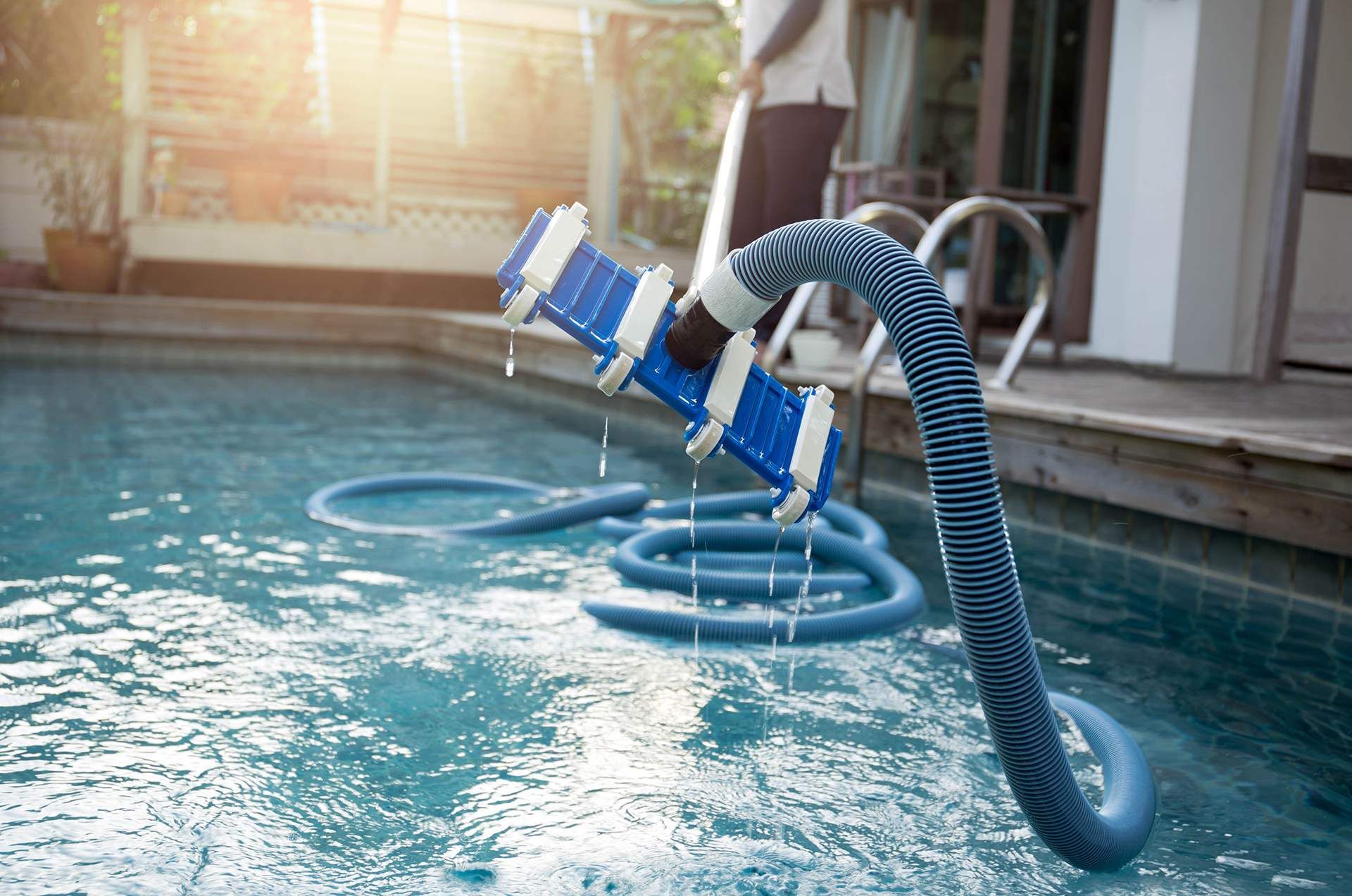
As pool owners, we want our pools to be a source of relaxation and enjoyment. However, like all things, pools need care and attention to stay in optimal condition. By understanding the early pool repair signs, we can catch problems before they become costly fixes. In this blog, we’ll go over the most common pool problems, how to recognize them, and how to maintain your pool to avoid major headaches down the line.
Water Discoloration: A Clear Sign of Pool Repair Needs
One of the most noticeable pool repair signs is water discoloration. If you notice that your pool water has changed color—whether it’s turning green, cloudy, or even brown—it could be a signal that something’s wrong.
Why does this happen? Water discoloration is often caused by the presence of algae, bacteria, or contaminants in the water. This usually points to issues with your pool maintenance, specifically the filtration system. If your pool water isn’t circulating and filtering as it should, it creates the perfect environment for algae growth.
What should you do? First, check the pool’s filter system. Make sure the pump is running properly and the filter is clean. You might need to clean or replace the filter media, depending on its condition. If water discoloration persists, a pool professional may need to take a closer look to rule out more serious problems like a malfunctioning pump or plumbing issues.
Pool Leaks: Don’t Ignore the Common Pool Problems
If you’re losing more water than usual, especially if it happens overnight, you may have a pool leak. Leaks are one of the most common pool repair signs and can lead to serious damage if left unchecked. It’s crucial to identify leaks early to prevent further issues with water loss and potential damage to your pool structure.
How can you tell if your pool has a leak? Here’s a quick test to determine if your pool is leaking:
- Fill a bucket with water and place it on the pool’s step or ladder, ensuring it’s submerged.
- Mark the water level on both the bucket and the pool.
- After 24 hours, compare the water levels. If the water in the pool has dropped more than the water in the bucket, you likely have a leak.
Leaks can occur in various parts of the pool, from the skimmer to the plumbing or the pool shell itself. If you suspect a leak, contact a professional like us at Aqua Clear Pool Services for a leak detection service.
Equipment Malfunctions: The Key to Effective Pool Maintenance
Your pool equipment plays a critical role in keeping your pool clean and safe. So, when something goes wrong, it’s important to act quickly. Common issues include malfunctioning pumps, heaters, and automatic cleaners.
How to spot equipment malfunctions:
- Pump problems: If the pump isn’t turning on or is making strange noises, it could indicate an issue with the motor, impeller, or electrical connections.
- Heater issues: If your pool’s heater isn’t producing warm water, it could be a sign of a faulty thermostat, a broken heating element, or an electrical problem.
- Cleaner failure: If your automatic cleaner isn’t moving or is leaving debris behind, it could mean there’s a problem with the hose, wheels, or motor.
What to do? Regular inspection of your pool equipment is a key component of pool maintenance. If you notice any irregularities in how your equipment is functioning, it’s best to call in a professional to troubleshoot and repair the issue before it becomes a bigger problem.
Cracked Pool Surfaces: A Serious Sign of Pool Repair Needs
Cracks in your pool’s surface, whether in the plaster or the tiles, are common pool problems that should never be ignored. Even small cracks can quickly turn into larger issues, causing leaks or further damage to your pool structure.
- What causes cracks? Cracks can be caused by a variety of factors, including settling ground, shifting soil, or the natural wear and tear of the pool materials over time. If you live in an area with drastic temperature changes, the freeze-thaw cycle can also lead to cracking.
- How to handle cracks: If you notice cracks in your pool, it’s important to get them repaired quickly. A pool technician will assess the crack and determine the best course of action. In some cases, the crack can be sealed; in more severe cases, resurfacing or even structural repairs may be needed.
Pool Tile Damage: Common Pool Problems You Shouldn’t Overlook
Your pool tiles are not only for decoration—they play a functional role in keeping the pool’s surface intact. Over time, tiles can become loose, cracked, or chipped. When this happens, it’s important to address the issue before it affects the integrity of the pool.
- What causes tile damage? Tiles can break due to physical impact, freezing temperatures, or poor water chemistry. When tiles begin to loosen, it may also signal that the pool water chemistry is off, causing the grout to weaken.
- What to do? Replacing damaged tiles is crucial to keeping your pool in good condition. It’s also important to balance your pool water’s pH, alkalinity, and calcium hardness to prevent further damage. If you notice significant tile damage, contact us for repairs or a tile replacement service.
Algae Growth: A Clear Pool Repair Sign
Algae growth is one of the most obvious pool repair signs that indicate poor pool maintenance. If you spot green, yellow, or black algae in your pool, it’s a signal that your filtration system isn’t working as efficiently as it should. Algae thrives in stagnant water and can spread quickly if not addressed.
How to prevent algae? Regular cleaning, proper water circulation, and maintaining the right water chemistry are your first lines of defense. If algae growth becomes extensive, you may need to shock the pool with a higher dose of chemicals or even replace the pool filter.
Dealing with Low Water Pressure: A Sign of Pool Repair Needs
If you notice that the water pressure in your pool is lower than usual, this is another common pool problem. Low water pressure could be a sign of a clogged filter, a malfunctioning pump, or issues with the pool’s plumbing.
What should you check?Start by inspecting the filter to see if it needs cleaning or replacement. If the pressure is still low after this, the issue could be more complicated, involving the plumbing or pump. In this case, it’s best to have a professional evaluate the situation.
Regular Pool Maintenance: The Key to Preventing Repairs
Preventing common pool problems is much easier and more cost-effective than waiting for repairs to be necessary. Regular pool maintenance is essential in keeping your pool in top condition.
Maintenance tips:
- Clean your pool weekly to remove debris.
- Inspect your pool equipment regularly to ensure everything is functioning.
- Check and balance your pool’s chemistry at least once a week.
- Regularly test for leaks and repair cracks or damaged tiles.
Stay Ahead with Early Detection of Pool Repair Signs
Frequently Asked Questions
1. What are the most common pool repair signs I should watch for?
Some of the most common pool repair signs include water discoloration, cracks in the pool surface, algae growth, equipment malfunctions, and pool leaks. Identifying these early allows for quicker action and can help prevent more costly repairs down the road. If you notice any of these issues, it's best to contact a professional for a thorough inspection.
2. How can I tell if my pool needs repair due to water discoloration?
Water discoloration, such as turning green or cloudy, is a clear sign of pool repair needs. This typically occurs due to algae growth, poor filtration, or chemical imbalances. Regular pool maintenance, including cleaning the filter and checking the water’s chemical balance, can often prevent this issue. If discoloration persists, it’s time to call a pool professional.
3. What are the best practices for pool maintenance to avoid major repairs?
Regular pool maintenance is essential for preventing many common pool problems. This includes routine cleaning, checking water chemistry levels, inspecting equipment, and ensuring your filtration system is working properly. By staying on top of these tasks, you can avoid the need for expensive repairs and keep your pool in excellent condition.
4. How do I handle pool leaks, and what causes them?
Pool leaks are one of the most serious pool repair signs. Leaks can occur in the pool shell, plumbing, or equipment and are often caused by aging materials, shifting soil, or wear and tear. If you suspect a leak, use the bucket test to verify it and contact a professional for pool repair and leak detection services.
5. How can I identify and fix equipment malfunctions in my pool?
Equipment malfunctions, such as problems with the pump or heater, are common pool repair signs. These issues can be caused by clogged filters, faulty motors, or broken parts. Regular inspection of your pool equipment is vital. If you notice anything unusual, such as strange noises or inconsistent water flow, it’s important to have your equipment checked by a professional to avoid further damage.