
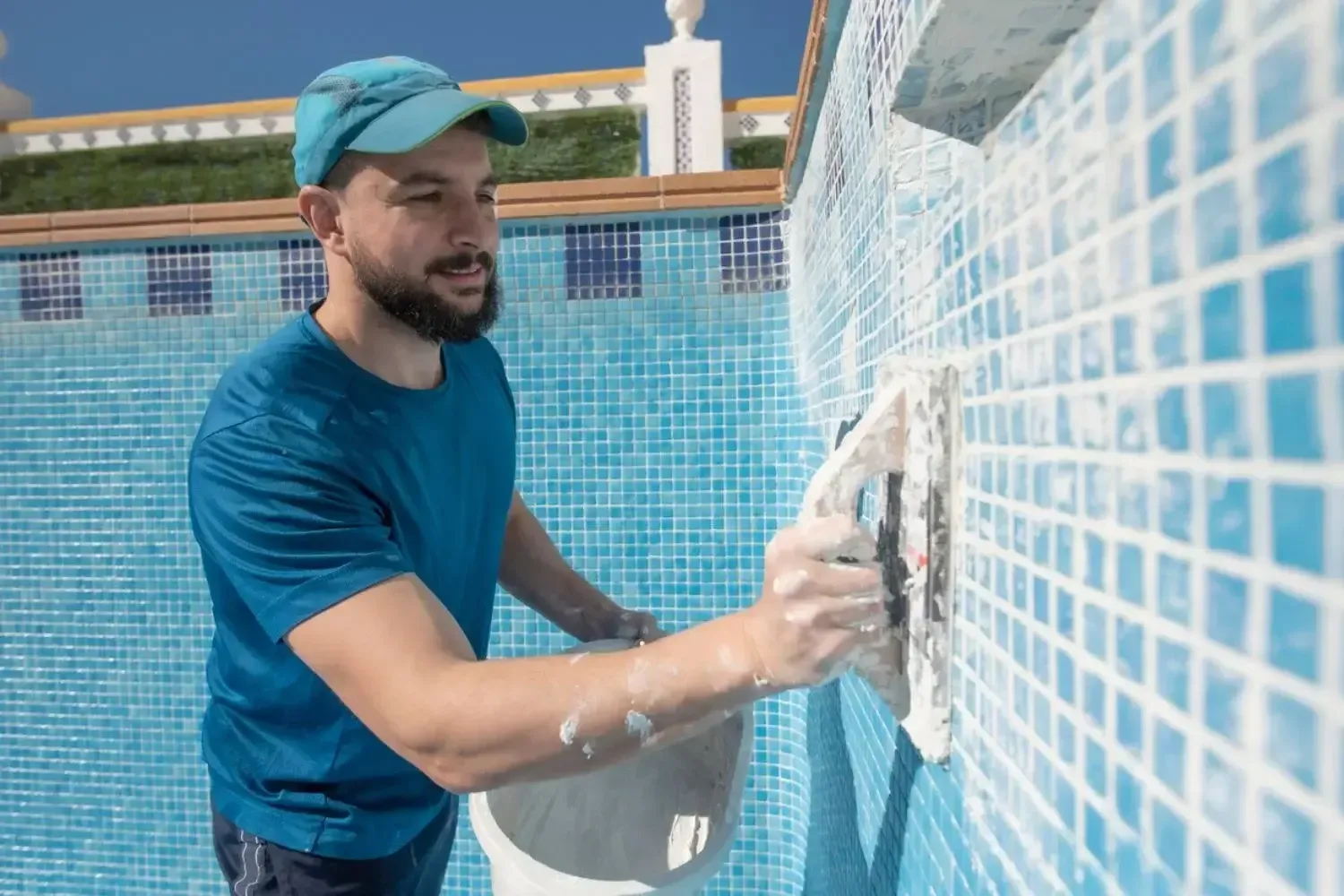
Replacing swimming pool tiles can significantly transform the look and functionality of your pool. Whether you’re dealing with cracked or outdated tiles or looking to refresh your pool’s design, following these detailed steps will help you achieve a professional result. Here’s your comprehensive guide to replacing swimming pool tiles, incorporating essential keywords and expert tips.
Table of Contents
Step-by-Step Guide to Replacing Swimming Pool Tiles Like a Pro
- Step 1: Assess the Damage and Plan the Replacement
- Evaluate the Condition of Your Pool Tiles
- Plan Your Tile Replacement
- Step 2: Gather Your Tools and Materials
- Essential Tools
- Safety Gear
- Step 3: Remove the Old Tiles
- Prepare the Area
- Remove the Damaged Tiles
- Clean the Surface
- Step 4: Install the New Tiles
- Apply Tile Adhesive
- Position and Set the Tiles
- Secure the Tiles
- Step 5: Grout the Tiles
- Apply Grout
- Clean Excess Grout
- Cure the Grout
- Step 6: Final Touches
- Inspect the Work
- Refill and Reopen the Pool
- Regular Maintenance
- Conclusion
- Ready to Revitalize Your Pool? Contact Aqua Clear Pool Services Today!
- Frequently Asked Questions (FAQs) – Step-by-Step Guide to Replacing Swimming Pool Tiles Like a Pro
- 1. How do I choose the right type of tile for my pool?
- 2. Can I replace pool tiles myself, or should I hire a professional?
- 3. What tools and materials do I need to replace pool tiles?
- 4. How long does it take to replace swimming pool tiles?
- 5. What maintenance is required after replacing pool tiles?
Step 1: Assess the Damage and Plan the Replacement
Before diving into the tile replacement process, it’s essential to evaluate the extent of the damage. This step involves identifying cracked or loose tiles, understanding the cause of the damage, and determining the best course of action. Proper planning will help you avoid potential pitfalls and ensure a smooth installation.
Evaluate the Condition of Your Pool Tiles
Begin by evaluating the condition of your pool tiles. Determine whether you need to replace just a few tiles or if a more extensive renovation is required. Look for issues such as:
- Cracked or Broken Tiles: These can lead to further damage if not addressed promptly.
- Loose Tiles: These may need reattachment or replacement.
- Discoloration or Staining: Replacing tiles can improve the visual appeal of your pool.
Plan Your Tile Replacement
Decide on the type of tiles you want to use. Consider factors such as durability, aesthetics, and compatibility with your existing pool design. Options include ceramic, glass, and natural stone tiles. Also, think about whether you want to update to custom pools or stick with a more traditional design.
Step 2: Gather Your Tools and Materials
With a clear plan in mind, the next step is to assemble all necessary tools and materials. This includes choosing the right tiles, adhesives, grouts, and equipment required for the job. Having everything ready will streamline the process and ensure you’re prepared for each phase of the tile replacement.
Essential Tools
- Tile Cutter: For precise cutting of tiles to fit your pool’s dimensions.
- Tile Adhesive: To ensure the new tiles adhere properly.
- Grout: To fill the spaces between tiles and provide a finished look.
- Notched Trowel: For applying adhesive evenly.
- Grout Float: For spreading and smoothing grout.
- Rubber Mallet: To ensure tiles are set firmly.
- Tile Spacers: To maintain consistent gaps between tiles.
- Tile Removal Tools: Such as a chisel and hammer for removing old tiles.
Safety Gear
- Gloves: To protect your hands during the project.
- Safety Goggles: To shield your eyes from debris and dust.
Step 3: Remove the Old Tiles
Removing the old tiles is a critical step in the replacement process. This involves carefully prying off the damaged tiles and removing any remaining adhesive or grout. Proper removal techniques are crucial to prevent damage to the underlying surface and to prepare it for the new tiles.
Prepare the Area
Ensure the pool area is clean and dry before starting the tile replacement. If necessary, drain the pool to make the work area more accessible.
Remove the Damaged Tiles
Use a chisel and hammer to gently pry away damaged or outdated tiles. Start by tapping the chisel under the tile and gradually prying it loose. Be careful not to damage the surrounding tiles or the pool surface.
Clean the Surface
After removing the tiles, clean the surface to remove any old adhesive or grout. This step is crucial for ensuring that the new tiles adhere properly to the pool surface.
Step 4: Install the New Tiles
Once the old tiles are removed and the surface is prepared, it’s time to install the new tiles. This step requires precise placement and alignment to ensure a professional finish. Using the right adhesive and following proper installation techniques will help secure the tiles and enhance the overall appearance of your pool.
Apply Tile Adhesive
Spread a layer of tile adhesive onto the pool surface using a notched trowel. Apply enough adhesive to cover the area but avoid over-applying.
Position and Set the Tiles
Place the new tiles onto the adhesive, pressing them firmly into place. Use tile spacers to ensure even gaps between tiles. Adjust the tiles as needed to ensure they are level and properly aligned.
Secure the Tiles
Gently tap each tile with a rubber mallet to ensure it is securely set in the adhesive. Check for levelness and make adjustments as needed.
Step 5: Grout the Tiles
Grouting is the final step in securing the tiles and providing a finished look. This process involves filling the spaces between the tiles with grout, which not only enhances the aesthetic but also prevents water from seeping behind the tiles. Proper grouting techniques will ensure a durable and smooth finish.
Apply Grout
Once the adhesive has cured (typically 24 hours), remove the tile spacers and apply grout between the tiles using a grout float. Spread the grout diagonally across the tiles to fill all gaps.
Clean Excess Grout
Use a damp sponge to remove excess grout from the surface of the tiles. Be careful not to pull grout out of the joints. Allow the grout to set for a few minutes before cleaning thoroughly.
Cure the Grout
Allow the grout to cure for the recommended time, usually 24 to 48 hours. This ensures the grout sets properly and provides a durable finish.
Step 6: Final Touches
After the grout has set, it’s time to add the finishing touches. This includes cleaning any excess grout, sealing the grout lines if necessary, and conducting a final inspection to ensure everything is in place. These final steps will help you achieve a polished and professional look for your newly tiled swimming pool.
Inspect the Work
Examine the newly installed tiles and grout for any imperfections. Make any necessary touch-ups to ensure a smooth, professional finish.
Refill and Reopen the Pool
Once the grout is fully dry and cured, refill the pool with water. Monitor the area for any issues and enjoy your refreshed swimming pool.
Regular Maintenance
To keep your new tiles in excellent condition, perform regular pool maintenance, including cleaning and inspecting the tiles for any signs of damage.
Conclusion
Replacing swimming pool tiles is an excellent way to revitalize the look and functionality of your pool. By following this step-by-step guide, you’ll achieve a professional finish that enhances your pool’s aesthetic appeal and ensures long-lasting durability. Whether you’re upgrading to custom pools or simply replacing old tiles, proper planning and execution are key to a successful project.
If you prefer professional assistance or need help with other aspects of pool care, consider reaching out to a reputable pool service provider in your area. With the right approach, your swimming pool will be transformed into a beautiful and functional oasis for you to enjoy.
Ready to Revitalize Your Pool? Contact Aqua Clear Pool Services Today!
Transform your swimming pool with professional help from Aqua Clear Pool Services! Whether you need expert pool repairs, comprehensive pool maintenance, or precise pool equipment installation, we have you covered. Our team of experienced professionals is ready to assist you with all your pool service needs.
From Lakeside to San Diego, California, and including El Cajon, Santee, Alpine, La Jolla, La Mesa, Pacific Beach, Poway, and even Yuma, we offer reliable and efficient repair services for your pool. If you’re planning a new pool or need assistance with your current one, contact us today at (858) 251-4151.
Our swimming pool contractors are here to ensure your pool looks and functions perfectly. For top-notch swimming pool service and expert pool care, call Aqua Clear Pool Services and experience the difference of a well-maintained pool. Don’t wait—call today to schedule your consultation and take the first step towards a beautiful, refreshed pool!
Frequently Asked Questions (FAQs) - Step-by-Step Guide to Replacing Swimming Pool Tiles Like a Pro
1. How do I choose the right type of tile for my pool?
When selecting tiles for your swimming pool, consider materials that are durable and resistant to water, chemicals, and UV exposure. Popular choices include ceramic, porcelain, and glass tiles. Ensure the tiles have a non-slip surface for safety.
2. Can I replace pool tiles myself, or should I hire a professional?
While replacing pool tiles can be a DIY project for those with experience, hiring a professional swimming pool contractor is often recommended. Professionals have the expertise to ensure proper installation, prevent water damage, and handle any underlying issues.
3. What tools and materials do I need to replace pool tiles?
Essential tools include a tile cutter, trowel, notched trowel, grout float, and a sponge. Materials you'll need are tile adhesive, grout, and tile spacers. Ensure you have safety gear such as gloves and goggles.
4. How long does it take to replace swimming pool tiles?
The time required for replacing pool tiles depends on the size of the area and the complexity of the job. On average, a professional can complete the task in a few days. DIY projects may take longer, especially if you’re unfamiliar with the process.
5. What maintenance is required after replacing pool tiles?
After replacing pool tiles, regular maintenance includes cleaning the tiles and grout, checking for any loose tiles, and ensuring that the grout remains intact. It’s also essential to keep your pool's water chemistry balanced to prevent damage to the tiles.