
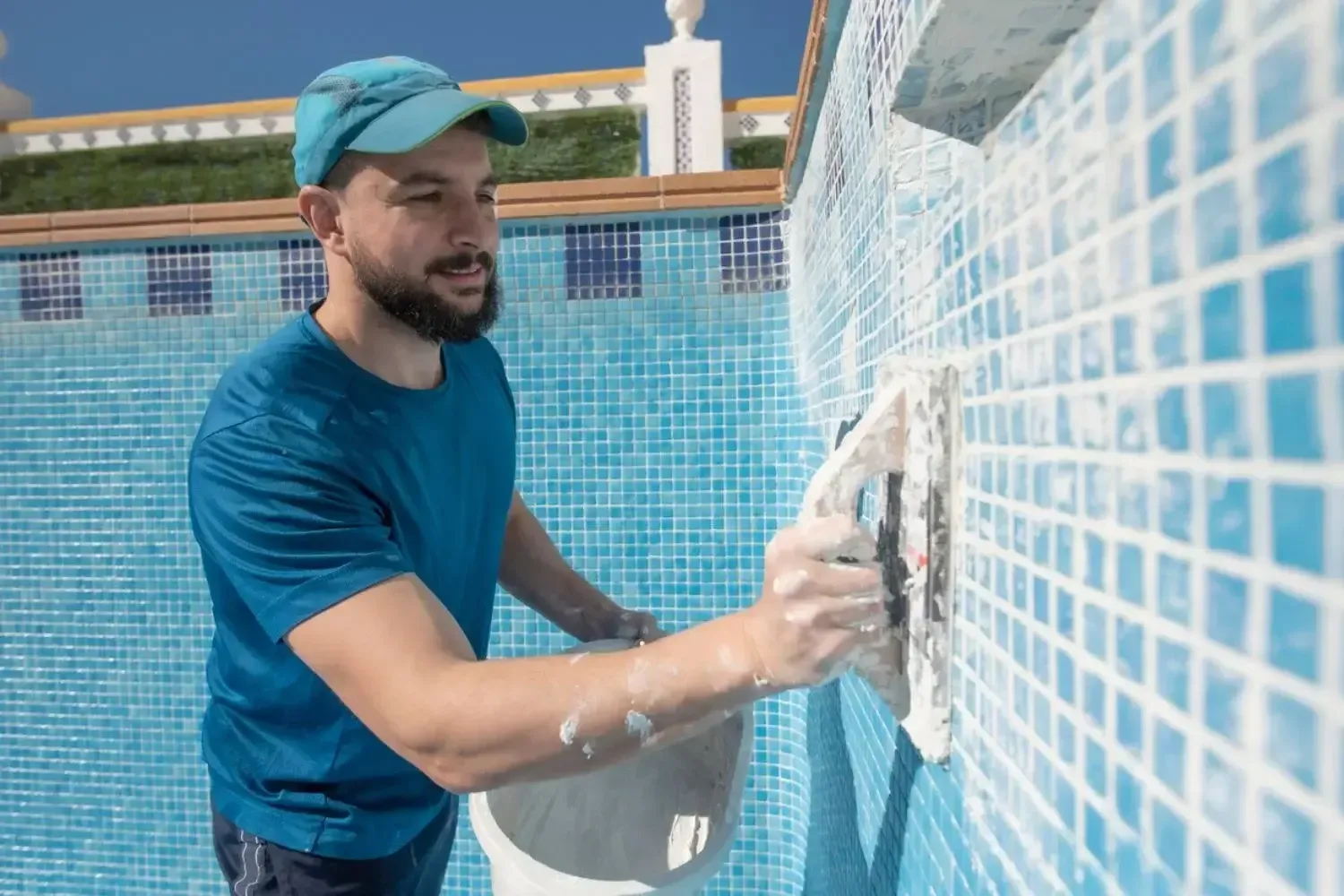
Owning a custom pool is a true luxury, offering relaxation and fun right in your backyard. However, even the most beautifully designed new pool can face challenges over time, particularly leaks.
A pool leak can quickly turn your backyard oasis into a source of frustration, leading to higher water bills, potential structural damage, and costly pool repair if not addressed promptly. With years of experience in pool care, understanding the signs of a pool leak, knowing how to repair it, and implementing preventive measures are essential steps in maintaining the integrity of your investment.
Table of Contents
Stop the Drip: Expert Tips for Swimming Pool Leak Repair
Table of Contents:
Understanding the Signs of a Pool Leak
Expert Tips for Swimming Pool Leak Repair
- Conduct the Bucket Test
- Inspect the Pool Equipment
- Check for Cracks and Gaps
- Test the Pool Plumbing
- Examine the Pool Liner
Preventative Measures to Avoid Future Leaks
Regular Pool Maintenance
Proper Chemical Balance
Address Small Issues Immediately
Seasonal Inspections
Final Thoughts
Get Expert Pool Service with Aqua Clear Pool Services
Frequently Asked Questions (FAQs) – Swimming Pool Leak Repair
- How can I confirm if my pool leaks?
- What are the most common areas where pool leaks occur?
- Can a small leak cause significant damage over time?
- What should I do if I can’t locate the leak myself?
- How often should I check my pool for leaks?
Understanding the Signs of a Pool Leak
Identifying a leak early is crucial for preventing further damage. Here are some common signs that your pool may be leaking:
- Unexplained Water Loss: While all pools lose some water to evaporation, constantly needing to refill your pool could signal a leak, particularly if there’s no significant change in weather conditions.
- Wet Spots Around the Pool Area: Persistent wet spots or puddles around the pool, equipment pad, or plumbing lines might indicate an underground leak. These spots often appear in areas close to the pool or its surrounding structures.
- Algae Growth: Sudden or unexpected algae growth can be a result of a chemical imbalance caused by water loss. When a leak disrupts the chemical balance in your pool, it creates a conducive environment for algae to thrive.
- Increased Water Bills: A sudden spike in your water bill, without a corresponding increase in water usage, can strongly indicate a pool leak. This is often one of the first signs that homeowners notice.
Expert Tips for Swimming Pool Leak Repair
Once you’ve identified the signs of a potential leak, it’s time to confirm the leak and take action. Here are some expert tips:
1. Conduct the Bucket Test
The bucket test is an effective method for determining if your pool is leaking. To perform this test:
Fill a bucket with pool water and place it on a step in the pool, ensuring the water level inside the bucket matches the pool water level outside the bucket.
Mark the water levels inside and outside the bucket.
After 24 hours, compare the levels. If the pool’s water level has dropped more than the water level in the bucket, it’s likely you have a leak.
This simple test helps distinguish between normal evaporation and a leak that requires immediate attention.
2. Inspect the Pool Equipment
Leaks often originate from faulty equipment. Inspect the pump, filter, heater, and skimmer for signs of dripping or moisture. Pay close attention to the seals, connections, and valves, as these are prone to wear and tear, leading to leaks. Regular maintenance of your pool equipment, performed by a professional pool company, can prevent many leaks from developing.
3. Check for Cracks and Gaps
Small cracks in the pool’s surface can lead to significant water loss if left unchecked. Inspect the pool shell, tiles, grout, and surrounding deck for any visible cracks or gaps. These cracks, no matter how small, can widen over time, causing more severe damage. Early intervention can prevent the need for extensive and costly repairs.
4. Test the Pool Plumbing
Plumbing leaks can be more challenging to detect, as they often occur out of sight. A pressure test can identify leaks in your pool’s plumbing system. This test involves pressurizing the pool’s plumbing lines and monitoring for pressure drops, which would indicate a leak. Given the specialized equipment and expertise required, this test is typically performed by a professional swimming pool contractor.
5. Examine the Pool Liner
For pools with vinyl liners, small tears or separations can develop over time, leading to leaks. Regularly inspect the liner for signs of wear, such as wrinkles, fading, or areas where the liner has pulled away from the pool walls. Addressing these issues promptly can prevent minor leaks from turning into major problems.
Preventative Measures to Avoid Future Leaks
Preventing pool leaks is just as important as repairing them. Implementing regular maintenance routines can help extend the life of your pool and minimize the risk of leaks.
Regular Pool Maintenance
Consistent swimming pool service is key to keeping your pool in optimal condition. This includes regular pool cleaning service, filter cleaning, and thorough inspections of your pool equipment. Staying on top of maintenance tasks ensures that potential issues are caught early, preventing them from becoming major problems.
Proper Chemical Balance
Maintaining the correct chemical balance in your pool water is essential not only for water clarity and safety but also for preserving the integrity of your pool’s structure and equipment. Imbalanced water can cause corrosion, leading to damage to the pool surface, plumbing, and equipment. Regularly testing your pool’s pH, chlorine levels, and other chemical balances, and adjusting them as necessary, can prevent long-term damage.
Address Small Issues Immediately
Even minor issues, such as small cracks or equipment leaks, should not be ignored. Addressing these problems as soon as they arise can prevent them from escalating into more severe leaks. Regular inspections of your pool and prompt repairs can save you from costly repairs down the line.
Seasonal Inspections
Each season brings different stresses to your pool. In the summer, increased use and high temperatures can exacerbate small problems, while winter conditions can cause cracks in the pool structure or damage to plumbing. Conducting thorough inspections before and after each swimming season helps identify potential issues early, ensuring your pool remains in excellent condition year-round.
Final Thoughts
Dealing with a pool leak can be daunting, but with the right knowledge and approach, you can effectively manage and repair leaks before they lead to significant damage. By staying vigilant and proactive in your pool care, you ensure that your pool remains a source of enjoyment and relaxation.
Regular pool maintenance, timely repairs, and careful monitoring are key to maintaining the integrity of your pool and preventing leaks from disrupting your enjoyment of your custom pool. Remember, a well-maintained pool not only adds value to your property but also provides a refreshing retreat for you and your family to enjoy for years to come.
Get Expert Pool Service with Aqua Clear Pool Services
Is your pool in need of professional attention? Whether you’re dealing with a stubborn leak, need routine maintenance, or require pool equipment installation, Aqua Clear Pool Services is here to help. We specialize in comprehensive pool service, repairs, and maintenance to keep your pool in pristine condition all year round.
Serving Lakeside and surrounding areas like El Cajon, Santee, Alpine, La Jolla, La Mesa, Pacific Beach, Poway, San Diego, and even Yuma, we’ve got you covered. Don’t wait until a small issue becomes a big problem. Contact Aqua Clear Pool Services today at (858) 251-4151 for expert swimming pool leak repair, pool equipment installation, and all your pool maintenance needs. Let us take care of your pool so you can enjoy a hassle-free swimming experience.
Frequently Asked Questions (FAQs) - Swimming Pool Leak Repair
How can I confirm if my pool leaks?
If you suspect a leak, perform a simple bucket test. Fill a bucket with pool water and place it on the pool step. Mark the water level inside the bucket and the pool water level outside. After 24 hours, if the pool water level drops more than the water in the bucket, you likely leak.
What are the most common areas where pool leaks occur?
Pool leaks commonly occur in the plumbing, around the pool’s skimmer, near pool lights, and in the pool liner or shell. Regular inspection of these areas can help identify leaks early.
Can a small leak cause significant damage over time?
Yes, even a small leak can cause extensive damage if left untreated. It can lead to water loss, increased chemical usage, erosion around the pool structure, and higher repair costs in the long run.
What should I do if I can’t locate the leak myself?
If you're unable to find the leak, it's best to call a professional pool service. They have specialized equipment to detect leaks accurately and recommend the best course of action for repair.
How often should I check my pool for leaks?
It’s advisable to check your pool for leaks at least once a month, especially during the swimming season. Regular inspections help catch leaks early and keep your pool in optimal condition.